
What’s the main heating systems in poultry farm in Brazil?
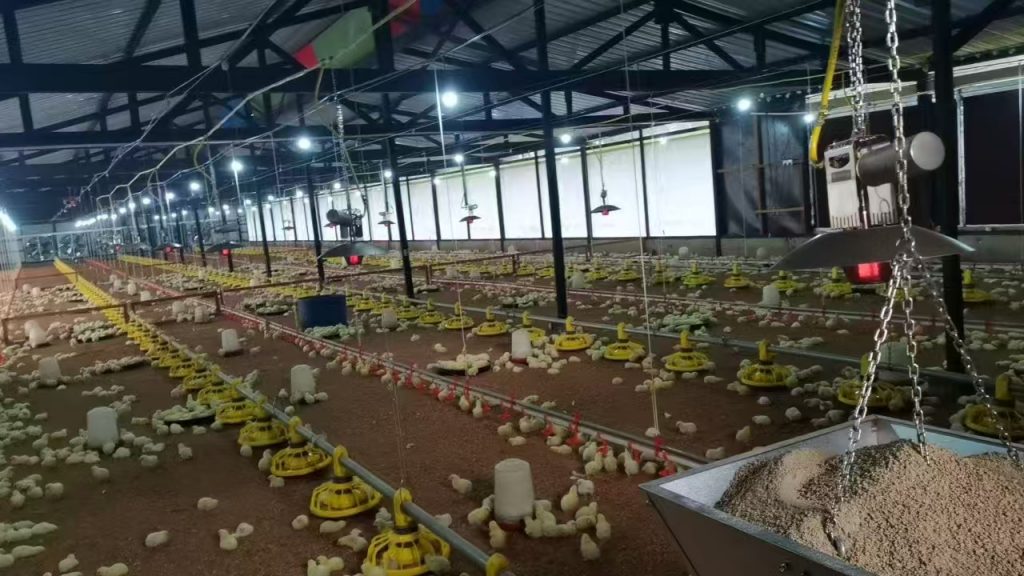
In order to get a clear idea about how is it the heating methods in Brazil, Eileen Wang the export director of DAMLY has discussed with many poultry farmers and clients from poultry equipment companies in Brazi and she summarized as follows:
Traditional biomass heating is a long-standing heating method in Brazil, particularly in the southern region.
As large-scale farming has developed, more efficient and precise systems have become mainstream, now the poultry farmers prefer modern precision heating:
- Radiant Gas Brooders: This is one of the most common methods of localized heating, especially during the early brooding phase. The brooders uses Liquefied Petroleum Gas (LPG) or natural gas, and the infrared radiation generated by combustion provides warmth to the chicks. They heat up quickly, offer controllable temperatures, and are clean and hygienic. At this point, SUNFLOWER infrared gas brooders are very suitable and perfect for Brazilian livestock markets.
- Wood Pellet Hot Air Stoves: This is a technology that is receiving significant attention, particularly in southern Brazil. It uses biomass pellets made from sawdust and forestry waste as fuel. The equipment is equipped with an automatic feeder (commonly known as a “Fire Dragon”) and a temperature control system, allowing for precise temperature management, high combustion efficiency, and clean operation. A study conducted in 2025 specifically compared the efficiency and energy consumption of different pellet stove models.
A Key Detail Often Overlooked: Preheating & Ventilation
Regardless of the heating method chosen, Brazilian poultry specialists emphasize two critical points:
- Preheat the Litter: Heating must begin 24 to 48 hours before the chicks arrive to ensure the litter is warm and dry. For the chicks, warm litter is more important than warm air.
- Incorporate Minimum Ventilation: While heating, it is essential to operate minimum ventilation using inlets and exhaust fans. This removes moisture and harmful gases (such as carbon dioxide and ammonia) while supplementing fresh oxygen. A heating failure is often not due to insufficient temperature, but because the air is too stale.